Why Maryland Basements Flood — and How to Stop It
Clay soil, sump failures, foundation cracks, and the fixes that actually keep water out.
Read the guide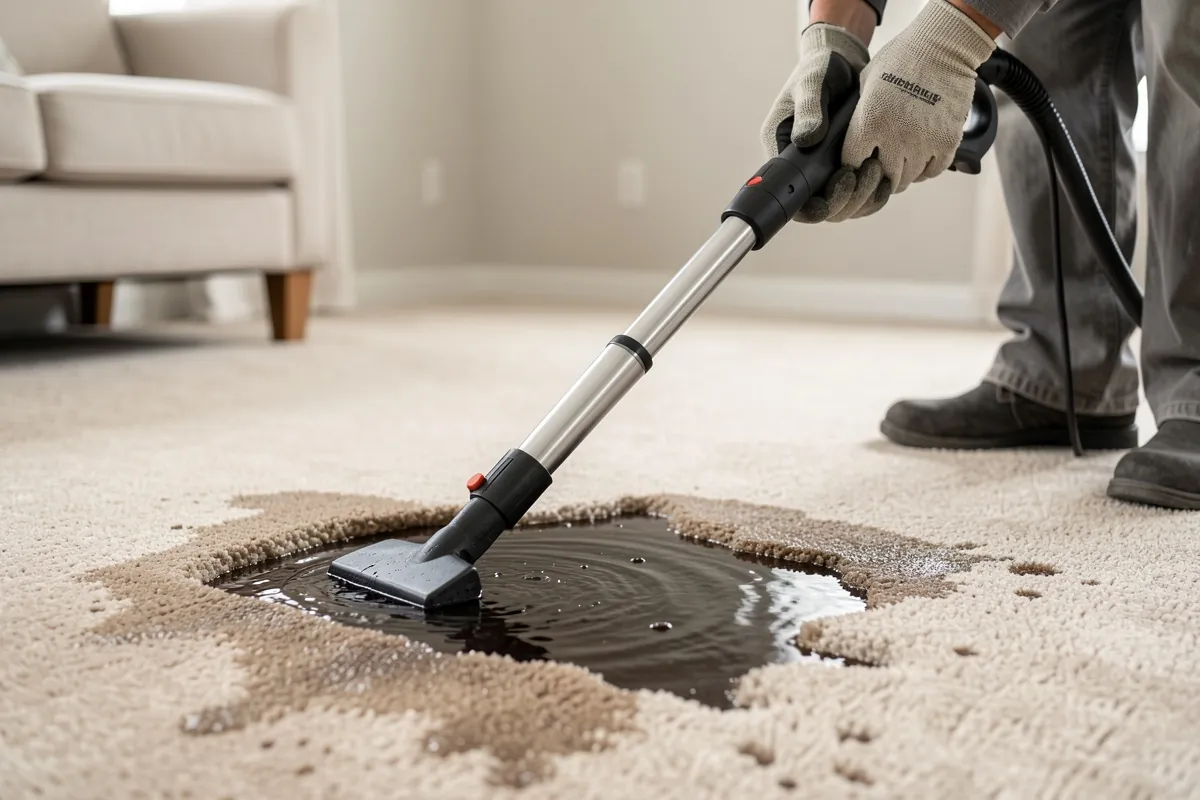
Water damage bills vary more than almost any other home repair. Here are realistic 2026 ranges, the factors that move the number, and how to keep an insurance claim on track.
Calls answered live, 24/7. Same-day service subject to availability.
“How much will this cost?” is the first question most homeowners ask after a pipe bursts or a basement fills. The honest answer is that no responsible provider can quote a final price over the phone. Water damage pricing depends on what is wet, how long it has been wet, what is contaminated, and how much has to be removed and rebuilt. What we can do is give you realistic planning ranges, explain the line items, and show you where the money actually goes.
The figures below are typical Maryland planning ranges for 2026, not quotes. They include extraction, drying equipment, labor, and standard documentation. Rebuild costs, content cleaning, and mold remediation can add significantly more.
| Loss type | Typical range | What it usually includes |
|---|---|---|
| Small clean-water leak (one room, Category 1) | $1,200–$3,500 | Extraction, air movers, dehumidifier, moisture monitoring, minor material removal |
| Multi-room clean-water loss | $3,000–$8,000 | Larger extraction, more equipment, carpet or pad removal, several days of drying |
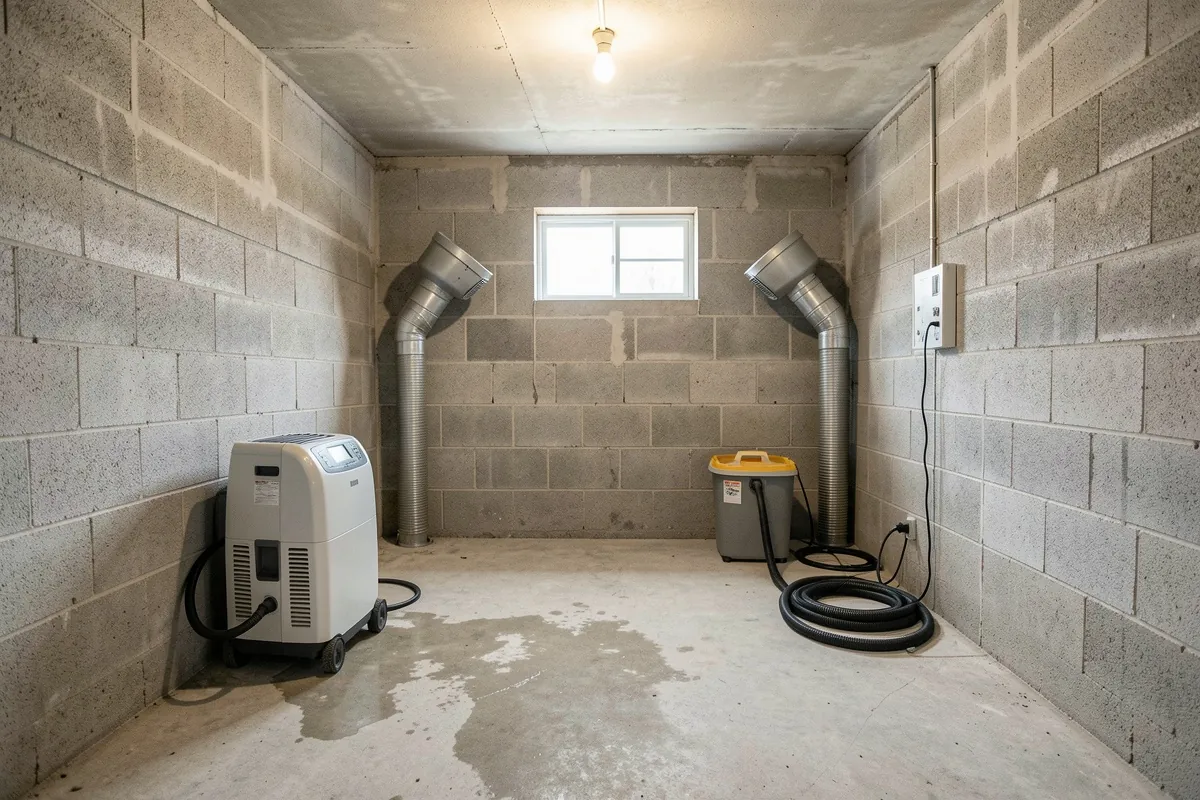
| Finished basement flood | $2,500–$10,000+ | Pump-out, drywall flood cuts, insulation removal, flooring, dehumidification, sanitizing |
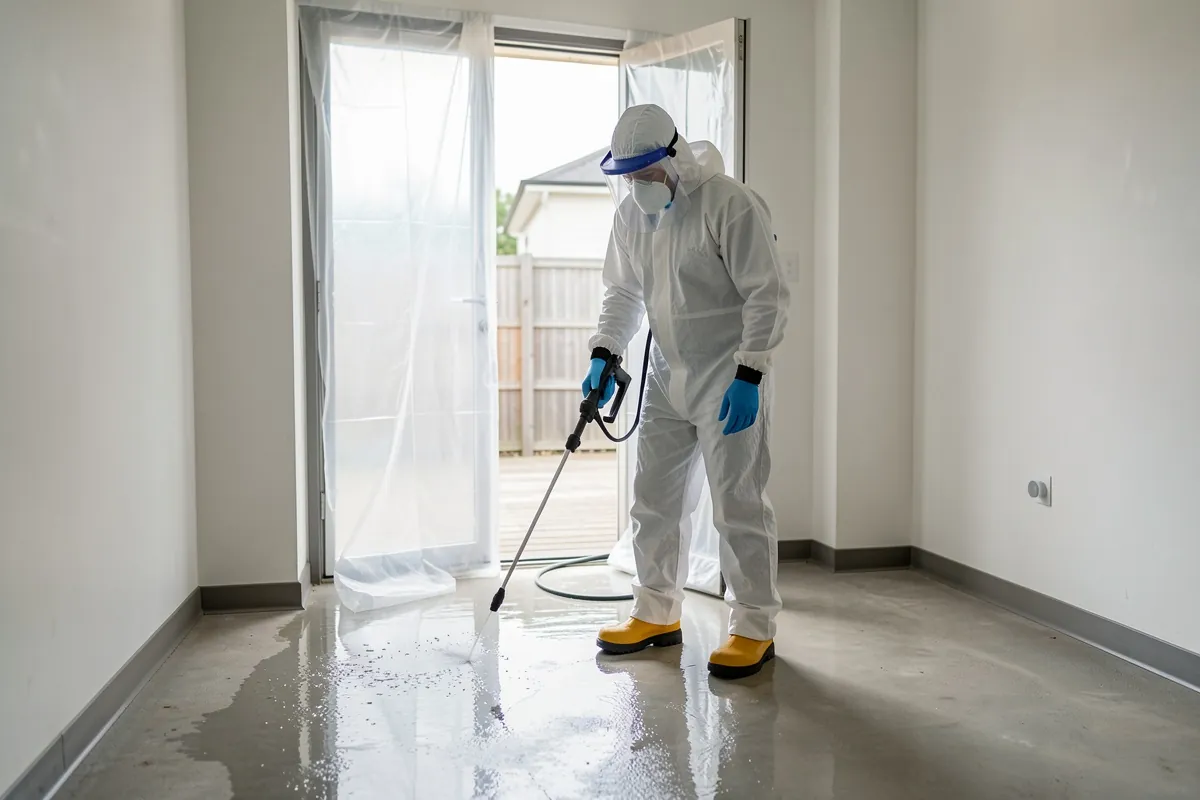
| Sewage backup (Category 3) | $6,000–$15,000+ | Containment, PPE, removal and disposal, disinfection, odor control, drying, rebuild |
| Storm or outdoor floodwater | $4,000–$20,000+ | Sediment removal, contaminated material disposal, sanitizing, structural drying, repairs |
| Mold remediation after a leak | $1,500–$6,000+ | Containment, HEPA filtration, removal of affected materials, cleaning, clearance |
Why such wide ranges? A 150-square-foot bathroom with clean supply-line water is a very different job from a 1,000-square-foot basement that took on sewage for two days. The scope, not the square footage alone, sets the price.
Category 1 water comes from a clean supply line or rain intrusion and is the least expensive to handle. Category 2 water — washing machine discharge, dishwasher overflow, or toilet water without solids — requires sanitizing. Category 3 water includes sewage, outdoor floodwater, and standing water that has been sitting long enough to grow bacteria. Category 3 losses require containment, protective equipment, disposal of porous materials, and disinfection, which is why they cost several times more.
Materials absorb water hour by hour. Drywall wicks upward, carpet padding acts like a sponge, and subfloor and framing hold moisture long after the surface feels dry. A loss caught in the first few hours may be saved with extraction and airflow. The same loss discovered two days later often needs demolition and mold remediation. Time is the single most controllable cost factor.
Extraction and drying are relatively predictable. Demolition and reconstruction are not. Saturated carpet pad, swollen particle board, wet insulation, and drywall that has started to crumble usually cannot be dried in place. The more materials that must be cut out, disposed of, and replaced, the higher the bill.
A basement with a walkout door is easier to service than a cellar reached through a narrow interior stair. Upper floors, crawlspaces, and tight rowhouse lots require more hose, more labor, and sometimes more days of equipment rental. After-hours calls can also carry a premium.
Furniture, electronics, documents, and clothing may need pack-out, cleaning, storage, and return. Rebuilding drywall, trim, paint, flooring, and cabinets is often the largest line item in a major loss. Ask whether the provider handles reconstruction in-house or subcontracts it.
Most standard homeowners policies cover sudden and accidental water damage, such as a burst supply line, a failed water heater, or an appliance hose that let go. They typically do not cover gradual seepage, repeated leaks, poor maintenance, or outdoor flooding. Flood damage requires a separate flood policy, usually through the National Flood Insurance Program or a private carrier.
Sump-pump overflow is a common gap. Many Maryland policies exclude it unless you add a water backup or sump overflow endorsement. If your basement has a sump pump, check that endorsement before the next storm — it is usually inexpensive relative to the loss it covers.
To keep a claim clean: photograph and video the damage before cleanup, save receipts for emergency purchases, keep damaged materials until the adjuster says otherwise, and ask the restoration provider for drying logs, moisture readings, and an itemized invoice. Insurers expect mitigation to begin promptly; waiting for approval while water sits can reduce what they pay.
You can safely shut off the water, cut power to a wet area from a dry location, move valuables, and document the damage. You should not use a household vacuum on standing water, tear out drywall or flooring, or attempt to clean sewage yourself. Those tasks require commercial extraction, protective equipment, and disposal that meets local rules.
For a small, clean-water spill on a hard floor, towels, a wet/dry shop vac, and a fan may be enough. For anything that reached carpet padding, drywall, insulation, or a ceiling cavity, hidden moisture is the real problem. A moisture meter costs less than a wasted DIY attempt and tells you whether the job is bigger than it looks.
Do not compare only the bottom line. Ask each provider for the same four things:
A low quote that skips monitoring or removes equipment too early is not a bargain. It often leads to mold, callbacks, and a second round of repairs.
Sudden, accidental losses such as burst pipes, appliance failures, and water heater leaks are commonly covered. Gradual leaks, long-term seepage, maintenance neglect, and outdoor flooding are usually excluded. Check your policy and any water backup endorsement, and document the damage before cleanup.
A simple pump-out and dry-out in an unfinished basement may fall in the $1,500–$4,000 range. A finished basement with carpet, drywall, insulation, and contents often runs $4,000–$10,000 or more, especially if flood cuts and rebuild are needed.
If the home is unsafe or uninhabitable, many policies include loss-of-use coverage for temporary housing. Ask your adjuster before booking, keep receipts, and confirm the daily limit and duration in your policy.
No. Sewage is Category 3 water and can carry bacteria, viruses, and parasites. Professional crews use containment, protective equipment, HEPA filtration, and hospital-grade disinfectants, and they dispose of porous materials that cannot be safely cleaned.
Mold is a biological contamination issue, not just a drying issue. It requires containment, negative air pressure, removal of affected materials, HEPA cleaning, and sometimes clearance testing. If mold has already grown, it is typically scoped separately from the water extraction.
Call (855) 671-4913 and describe the water, the rooms affected, and how long it has been there. A local Maryland provider can explain the likely scope and schedule an on-site assessment.
Cost ranges are editorial planning estimates for Maryland in 2026, based on common job scopes. They are not quotes, and actual pricing varies by provider, property, and loss conditions. Always confirm scope and price in writing before work begins.
Clay soil, sump failures, foundation cracks, and the fixes that actually keep water out.
Read the guideHealth risks, the cleanup sequence, insurance questions, and prevention after a backup.
Read the guideShutoffs, power safety, documentation, and the mistakes that cost thousands.
Read the guideEvery hour water sits, the scope grows. Call (855) 671-4913 — open 24/7.
Open 24/7 · Calls answered live